Beard Problems for Men
Beards are supposed to be a symbol of rugged confidence, but let’s be honest, beard problems have a way of humbling even the manliest among us. From itchy beginnings to full blown grooming chaos, men's beard problems are rarely discussed, yet constantly experienced.
One day you are dreaming of a heroic mane, the next you are googling common beard problems at midnight, wondering why your reflection looks like it lost a fight with a lawn mower. Whether you are battling patchy beard problems, struggling with long beard problems, or questioning every grooming choice you have ever made, take comfort in knowing this. You are not alone, and yes, there are answers, laughs, and fixes ahead.
Beard Problems: Causes and Solutions
Below are common beard problems men face, explained in detail, along with important parameters for each beard problems for men. These parameters for beard problems for men are highlighted for clarity and easy reference.
1. Beard Itch and Irritation

One of the most frustrating beard problems is constant itching, especially during the early stages of beard growth. This discomfort often leads men to shave prematurely, assuming beards are simply not for them.
Root Cause: Dry skin underneath beard
Common Trigger: Harsh soaps and weather
Skin Impact: Flakiness and redness
Effective Solution: Deep hydration routine
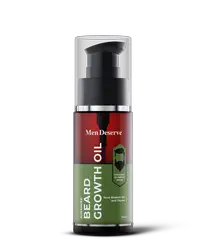
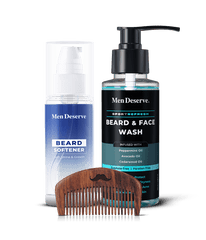
Recommended Products: Beard oil and cleanser
Beard itch usually occurs when facial skin dries out and dead skin cells accumulate beneath the beard. Regular face washes can strip natural oils, worsening the problem. Introducing beard-specific cleansers and nourishing oils helps restore moisture, soothe irritation, and create a healthier environment for beard growth.
2. Patchy or Uneven Beard Growth

Patchy beards are a major beard problems for men striving for a fuller, denser look. While genetics play a significant role, lifestyle and grooming habits also influence beard density.
Root Cause: Genetics and hormones
Common Trigger: Poor blood circulation
Growth Challenge: Uneven follicle activation
Effective Solution: Patience and stimulation
Recommended Products: Growth serum and roller
Patchiness does not mean failure. Beard hair grows in cycles, and some areas take longer to fill in. Massaging the face, maintaining a nutrient-rich diet, and using growth-supporting products can help stimulate dormant follicles over time.
Also Read: Patchy Beard for Men
3. Beard Dandruff (Beardruff)

White flakes on a dark beard can be embarrassing and are often mistaken for poor hygiene. Beard dandruff is a skin and beard problems for men that needs targeted care.
Root Cause: Fungal growth and dryness
Common Trigger: Infrequent beard washing
Visible Issue: White flaky particles
Effective Solution: Exfoliation and cleansing
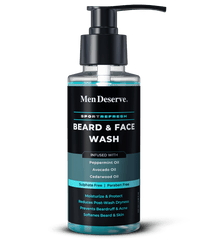
Recommended Products: Anti-dandruff beard wash
Beardruff forms when dry or irritated skin sheds excessively. Washing the beard two to three times a week with a gentle cleanser and exfoliating occasionally helps remove dead skin cells. Hydration is key to preventing flakes from returning.
Also Read: Beardruff and Beard Itching
4. Dry, Rough, and Brittle Beard

A beard that looks lifeless and feels rough to the touch can diminish overall appearance. This beard problems for men is especially common in longer beards.
Root Cause: Lack of natural oils
Common Trigger: Overwashing and heat
Hair Texture Issue: Coarse and dull strands
Effective Solution: Consistent nourishment routine
Recommended Products: Beard balm and oil
Beard hair is thicker than scalp hair and needs more moisture to stay soft. Without proper conditioning, strands become brittle and prone to breakage. Using beard oils and balms regularly helps lock in moisture, adds shine, and improves manageability.
5. Beard Split Ends and Breakage

Split ends are not limited to head hair. Beards can suffer from breakage too, especially when grooming tools or habits are incorrect.
Root Cause: Mechanical and heat damage
Common Trigger: Rough combing habits
Hair Damage Type: Split and frayed ends
Effective Solution: Trimming and protection
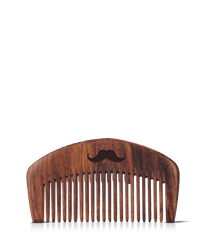
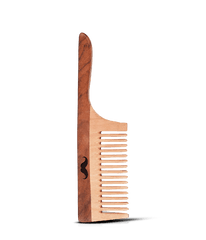
Recommended Products: Wooden comb and serum
Using plastic combs, brushing aggressively, or applying heat frequently can weaken beard strands. Regular trimming removes damaged ends, while gentle combing and protective serums strengthen the beard and prevent future breakage.
6. Ingrown Beard Hair

Ingrown hairs are painful, unsightly, and can disrupt an otherwise well-maintained beard. This beard problems for men occur when hair curls back into the skin instead of growing outward, causing bumps and inflammation.
Root Cause: Curly hair growth pattern
Common Trigger: Improper shaving technique
Skin Reaction: Red painful bumps
Effective Solution: Gentle exfoliation routine
Recommended Products: Exfoliating scrub and oil
Men with coarse or curly beard hair are more prone to ingrown hairs. Dead skin buildup blocks follicles, forcing hair to grow inward. Regular exfoliation, proper trimming instead of close shaving, and soothing oils help prevent irritation and allow hair to grow freely.
7. Slow Beard Growth

Many men feel frustrated when their beard takes too long to grow or seems stuck at a certain length. While beard growth varies from person to person, slow growth can often be improved.
Root Cause: Genetics and metabolism
Common Trigger: Poor nutrition habits
Growth Limitation: Weak follicle activity
Effective Solution: Lifestyle and diet improvement
Recommended Products: Growth supplements and serum
Beard growth relies heavily on nutrients, hormones, and overall health. Lack of protein, vitamins, or sleep can slow growth significantly. A balanced diet, proper rest, and beard-friendly growth products can enhance thickness and speed over time.
8. Beard Bald Spots

Bald spots in the beard can be particularly distressing, as this beard problems for men create visible gaps that disrupt an otherwise full beard.
Root Cause: Inactive hair follicles
Common Trigger: Hormonal or autoimmune issues
Growth Concern: Circular bald patches
Effective Solution: Follicle stimulation care
Recommended Products: Regrowth serum and roller
Beard bald spots may appear suddenly or develop gradually. While mild cases are often due to stress or poor circulation, more persistent spots can be linked to conditions like alopecia areata. Early intervention, gentle stimulation, and consistent care improve the chances of regrowth.
9. Beard Odor and Hygiene Issues

Beards can trap food particles, sweat, and environmental pollutants, leading to unpleasant odors if not cleaned properly.
Root Cause: Bacterial buildup
Common Trigger: Infrequent beard washing
Hygiene Issue: Unpleasant lingering smell
Effective Solution: Proper cleansing routine
Recommended Products: Beard shampoo and conditioner
Unlike scalp hair, beard hair is exposed to daily food and environmental elements. Washing with beard-specific products removes odor-causing bacteria while keeping the skin hydrated and fresh.
10. Beard Acne and Breakouts

Acne under the beard can be difficult to detect and treat, often worsening due to trapped oil and bacteria.
Root Cause: Clogged pores beneath beard
Common Trigger: Heavy comedogenic products
Skin Concern: Painful hidden pimples
Effective Solution: Non-greasy skincare routine
Recommended Products: Lightweight cleanser and gel
Using thick or pore-clogging products can worsen acne beneath facial hair. Gentle cleansing, lightweight formulations, and consistent hygiene reduce breakouts while maintaining beard health.
11. Excessive Beard Shedding

Seeing beard hair fall out during washing or brushing can be alarming. While some shedding is normal, excessive hair loss may signal deeper beard problems for men.
Root Cause: Weak hair follicles
Common Trigger: Stress and poor care
Hair Concern: Excessive daily hair fall
Effective Solution: Strengthening care routine
Recommended Products: Protein-rich beard serum
Beard hair follows a natural growth cycle, but stress, nutritional deficiencies, or aggressive grooming can weaken follicles. Gentle handling, stress management, and strengthening products help reduce unnecessary shedding and support healthier regrowth.
12. Beard Discoloration and Dullness

A beard that looks faded, uneven in color, or dull can affect overall facial appearance, especially in longer or sun-exposed beards.
Root Cause: Sun and pollution damage
Common Trigger: Lack of protection
Visual Issue: Faded uneven beard color
Effective Solution: Nourishing and protection
Recommended Products: Antioxidant beard oil
Environmental exposure strips moisture and pigment from beard hair. Regular nourishment with antioxidant-rich oils restores shine, protects color, and keeps the beard looking vibrant and healthy.
13. Overgrown or Misshapen Beard

Without regular maintenance, beards can quickly lose structure, making the face look untidy rather than stylish.
Root Cause: Irregular trimming habits
Common Trigger: Ignoring beard shape
Style Problem: Messy undefined beard lines
Effective Solution: Scheduled trimming routine
Recommended Products: Precision trimmer and balm
A beard needs shaping just as much as it needs growth. Defining cheek and neckline areas and maintaining symmetry enhances facial features and keeps the beard looking intentional rather than neglected.
14. Sensitive Skin Under Beard

Some men experience burning, tightness, or discomfort beneath the beard, especially when using unsuitable grooming products.
Root Cause: Reactive sensitive skin
Common Trigger: Alcohol-based products
Skin Issue: Burning and tight feeling
Effective Solution: Gentle soothing care
Recommended Products: Fragrance-free beard balm
Sensitive skin reacts quickly to harsh ingredients. Switching to mild, fragrance-free products and minimizing product overload helps calm irritation and maintain skin comfort beneath the beard.
15. Beard Aging and Thinning Appearance

As men age, beards may begin to look thinner, finer, or less dense than before.
Root Cause: Age-related hormonal changes
Common Trigger: Reduced collagen production
Appearance Concern: Thin aging beard
Effective Solution: Supportive grooming routine
Recommended Products: Thickening beard tonic
Aging affects hair density and texture. While it cannot be reversed entirely, proper nutrition, scalp-style beard care, and thickening products can help the beard appear fuller and healthier for longer.
16. Beard Greasiness and Oil Buildup

While dryness is one of the beard problems for men, the opposite problem can be just as troublesome. An overly greasy beard looks heavy, feels uncomfortable, and attracts dirt easily.
Root Cause: Overactive sebaceous glands
Common Trigger: Excess product application
Beard Condition: Oily sticky texture
Effective Solution: Balanced cleansing routine
Recommended Products: Lightweight beard wash
Excess oil buildup often results from using too much beard oil or products not suited to your skin type. Gentle, regular cleansing combined with lighter formulations helps maintain oil balance without stripping essential moisture.
17. Beard Hair Curling and Kinking

Some men struggle with beard hair that curls excessively or kinks unpredictably, making the beard look uneven and harder to manage.
Root Cause: Natural hair structure
Common Trigger: Lack of conditioning
Hair Issue: Tight curls and bends
Effective Solution: Softening and training
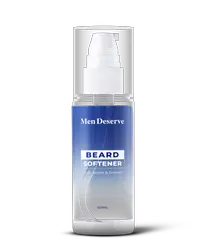
Recommended Products: Conditioning beard softener
Beard hair tends to curl as it grows longer, especially if it is coarse. Proper conditioning, regular brushing, and beard training techniques help relax curls and create a smoother, more uniform appearance.
18. Beard Itch After Trimming

Many men experience irritation or itching shortly after trimming or shaping their beard, even if they do not shave clean.
Root Cause: Sharp hair ends
Common Trigger: Dry trimming technique
Skin Reaction: Post-trim irritation
Effective Solution: Moisturizing aftercare
Recommended Products: Soothing beard balm
Freshly trimmed beard hairs can have sharp edges that irritate the skin. Applying a moisturizing balm after trimming softens hair tips, reduces friction, and calms sensitive skin.
19. Uneven Beard Length

A beard that grows faster in certain areas can appear patchy or asymmetrical, even when it is technically full.
Root Cause: Unequal growth cycles
Common Trigger: Inconsistent trimming
Visual Issue: Uneven beard length
Effective Solution: Strategic trimming approach
Recommended Products: Adjustable beard trimmer
Different areas of the face grow hair at different speeds. Trimming to the shortest area and allowing slower sections time to catch up helps create a more uniform, balanced beard.
20. Beard Breakage During Sleep

Many men unknowingly damage their beards while sleeping due to friction and dryness caused by bedding materials.
Root Cause: Nighttime friction damage
Common Trigger: Rough pillow fabrics
Hair Issue: Morning beard breakage
Effective Solution: Night care routine
Recommended Products: Beard oil and silk pillowcase
Cotton pillowcases can absorb moisture and cause friction, leading to breakage over time. Applying a small amount of beard oil before bed and switching to smoother fabrics helps protect beard hair overnight.
Final Thoughts
At the end of the day, a beard is not just facial hair. It is a commitment, a lifestyle, and occasionally, a personal challenge. While beard problems and solutions may not be dinner table conversation, understanding your growth patterns, skin needs, and grooming habits can transform frustration into confidence.
The truth is, most facial hair problems and solutions come down to patience, proper care, and a sense of humor when things get weird. So embrace the journey, learn from the mishaps, and remember, every great beard has survived a few bad days on the way to glory.
FAQs: Beard Problems for Men
1. What are the problems with beards?
Beard problems for men can range from minor grooming issues to noticeable skin and hair concerns. Common problems include beard itch, dandruff, patchy growth, bald spots, dryness, breakage, ingrown hairs, acne under the beard, uneven length, and excessive shedding. Many men also experience issues like dullness, odor, or an unruly beard that is difficult to style. These problems often arise due to poor grooming habits, lack of hydration, unsuitable products, stress, or underlying skin conditions rather than the beard itself.
2. How to solve beard problem?
Solving beard problems for men starts with understanding the root cause. A proper beard care routine is essential and includes gentle cleansing, regular conditioning, and daily moisturizing with beard oil or balm. Using beard-specific products instead of regular soaps, maintaining a healthy diet, staying hydrated, and trimming regularly can significantly improve beard health. Consistency is key. Most beard problems gradually resolve when grooming routines are aligned with skin type, hair texture, and lifestyle.
3. How to fix bald spots in beard?
Bald spots are one of the most concerning beard problems for men, but this beard problems for men are not always permanent. Mild bald spots can improve with better blood circulation, stress reduction, and follicle stimulation through massage or derma rollers. Using regrowth serums and maintaining proper skin hygiene can also help. However, if bald spots are sudden, circular, or spreading, this beard problems for men may be linked to conditions like alopecia areata, and consulting a dermatologist is recommended for accurate diagnosis and treatment.
4. Is beard 100% genetic?
Beard growth is not 100% genetic, although genetics play a major role in determining beard density, growth pattern, and thickness. Hormones, particularly testosterone and DHT, lifestyle factors, nutrition, sleep, stress levels, and grooming habits all influence beard health. Many beard problems for men, such as patchiness or slow growth, can improve with better care and lifestyle changes even if genetics are not ideal.
5. What does a damaged beard look like?
A damaged beard often appears dry, dull, rough, and uneven. Common signs include split ends, excessive breakage, frizz, discoloration, thinning areas, and lack of natural shine. The beard may feel brittle to the touch and look lifeless despite being full. In many cases, damaged beards are the result of overstyling, heat exposure, harsh products, or neglecting proper nourishment. With consistent conditioning and reduced stress on the hair, most damage can be reversed over time.