Hair Fall in Men
Hair fall is one of the most common hair concerns among Indian men. Whether you are in your early 20s, working in your 30s or approaching your 40s, noticing extra hair on your pillow, in the bathroom drain or on your comb can be frustrating.
From receding hairlines and thinning crowns to weak hair roots and excessive hair shedding, hair fall can affect your confidence and appearance.
But before spending money on expensive hair treatments, it is worth looking at your everyday habits. Your diet, sleep schedule, stress levels, hair care routine and scalp health can all influence the condition of your hair.
Indian men also deal with several everyday environmental and lifestyle factors, including heat, humidity, dust, pollution, hard water, irregular eating habits and frequent use of styling products.
The good news? A consistent hair care routine, a balanced diet and a few simple home remedies can help maintain healthier hair, reduce avoidable hair breakage and support overall scalp health.
In this guide, we will explore 12 practical home remedies to prevent hair fall for Indian men, along with dietary tips, common hair care mistakes and ways to maintain stronger looking, healthier hair.
Why Do Indian Men Experience Hair Fall?
Before looking for a solution, it is important to understand why your hair is falling.
Hair fall does not always have one single cause. Some men experience temporary hair shedding, while others develop gradual hair thinning due to genetics.
Here are some common reasons for hair fall in Indian men:
1. Genetics and Male Pattern Baldness
Genetics is one of the most common causes of hair loss in men. Male pattern baldness, medically known as androgenetic alopecia, can begin in the 20s or even earlier.
It usually starts with a receding hairline, thinning around the temples or reduced hair density around the crown.
2. Stress and Lack of Sleep
Long working hours, financial pressure, irregular sleep and personal stress can affect overall health.
Significant physical or emotional stress may trigger a condition called telogen effluvium, which causes increased hair shedding, often several months after the stressful event.
3. Poor Diet and Nutritional Deficiencies
Your hair needs adequate nutrition to maintain its normal growth cycle.
Insufficient protein, iron and certain other nutrients may contribute to hair shedding. Skipping meals, following crash diets and relying heavily on processed foods can make it harder to meet your nutritional requirements.
4. Pollution, Dust and Scalp Build up
Indian cities often expose hair to dust, pollution, sweat and environmental impurities.
These factors can affect scalp comfort and hair cleanliness. An irregular washing routine may also allow excess oil and product residue to accumulate.
5. Excessive Heat and Chemical Treatments
Frequent blow drying at high temperatures, straightening, bleaching, chemical treatments and aggressive styling can weaken hair strands.
This may result in dryness, split ends and hair breakage, which can look like excessive hair fall.
6. Incorrect Hair Care Habits
Using unsuitable products, scratching the scalp aggressively, combing wet hair roughly and applying excessive heat can damage fragile hair.
Understanding the reason behind your hair fall is the first step towards choosing the right solution.
12 Best Home Remedies to Prevent Hair Fall for Indian Men
You do not always need a complicated hair care routine. Start with simple, consistent habits that support your scalp and hair health.
Here are 12 practical home remedies and lifestyle changes worth incorporating into your routine.
1. Massage Your Scalp Gently with Coconut Oil
Coconut oil is one of the most popular traditional hair care ingredients in Indian households.
It contains fatty acids that can penetrate the hair shaft and help reduce protein loss from hair strands. This may help minimise breakage and improve hair softness.
How to use it:
-
Take 1–2 tablespoons of coconut oil, depending on your hair length.
-
Apply a small amount to your scalp and hair.
-
Massage gently using your fingertips for a few minutes.
-
Leave it on for approximately 30–60 minutes if your scalp tolerates it.
-
Wash with a mild shampoo.
Benefits:
-
Helps condition dry hair.
-
May reduce hair breakage.
-
Improves softness and manageability.
-
Helps protect hair strands during grooming.
Men Deserve Tip: Avoid aggressive scalp rubbing. A gentle massage is enough. Coconut oil can help with hair conditioning, but it is not a proven treatment for genetic hair loss.
2. Include Amla in Your Daily Diet
Amla, also known as Indian gooseberry, has been used in traditional Indian wellness practices for generations.
It is naturally rich in vitamin C, which helps the body absorb iron from plant based foods.
Maintaining adequate iron intake is important because iron deficiency can contribute to hair loss.
How to include amla in your diet:
-
Eat fresh amla when available.
-
Add amla to homemade chutneys.
-
Include unsweetened amla preparations in moderation.
-
Combine vitamin C rich foods with iron rich meals.
Benefits:
-
Supports normal nutritional requirements.
-
Helps improve iron absorption from plant based meals.
-
Adds antioxidants to your diet.
Remember, eating amla is beneficial as part of a balanced diet, but it is not a guaranteed hair regrowth treatment.
3. Eat a Protein Rich Indian Diet
One of the most overlooked aspects of men's hair care is nutrition.
Hair is primarily made up of a protein called keratin. Inadequate protein intake can affect normal hair growth and contribute to shedding.
Indian men can include several affordable, everyday protein sources in their meals.
Foods to include:
| Food | Nutritional benefit |
|---|---|
| Eggs | High quality protein |
| Dal | Plant based protein |
| Paneer | Protein and calcium |
| Curd | Protein and other nutrients |
| Soybeans | Plant based protein |
| Chickpeas | Protein and iron |
| Milk | Protein and calcium |
| Peanuts | Protein and healthy fats |
Simple dietary tip: Instead of relying on one expensive superfood, aim for balanced meals containing protein, vegetables, fruits and whole grains.
4. Use Aloe Vera for Scalp Conditioning
Aloe vera is commonly used in skincare and hair care because of its moisturising properties.
It may help soothe dry feeling skin, although strong clinical evidence that aloe vera prevents hair loss or promotes hair regrowth is lacking.
How to use it:
-
Take a small amount of pure aloe vera gel.
-
Apply it to a small scalp area first.
-
If your skin tolerates it, apply a thin layer to the scalp.
-
Leave it for around 15–20 minutes.
-
Rinse thoroughly with water.
Benefits:
-
Provides a moisturising effect.
-
May soothe dry feeling scalp skin.
-
Can be used as an occasional conditioning treatment.
Important: Avoid applying aloe vera if it causes itching, redness or irritation. It should not replace medical treatment for persistent hair loss.
5. Include Curry Leaves in Your Diet
Curry leaves are a familiar ingredient in Indian kitchens and are easy to include in everyday meals.
They contain several nutrients and plant compounds, making them a useful part of a varied diet.
How to use curry leaves:
-
Add fresh curry leaves to dal and sabzi.
-
Include them in homemade chutneys.
-
Use them in traditional seasoning for vegetables.
-
Add them to your regular meals.
Curry leaves are nutritious, but there is not enough reliable human evidence to establish that applying curry leaf oil or consuming curry leaves directly stops hair fall.
6. Eat Nuts and Seeds for Better Hair Nutrition
Your hair requires a variety of nutrients, including healthy fats, zinc and other minerals.
Nuts and seeds can contribute to a balanced diet.
Include these foods:
-
Almonds
-
Walnuts
-
Pumpkin seeds
-
Flaxseeds
-
Sunflower seeds
-
Sesame seeds
You can add them to breakfast, smoothies, curd or homemade snacks.
Benefits:
-
Provide healthy fats.
-
Supply minerals and vitamin E.
-
Help improve the overall nutritional quality of your diet.
A small handful of mixed nuts and seeds can be a convenient daily addition. However, consuming excessive quantities of supplements or individual nutrients is not recommended without identifying a deficiency.
7. Maintain a Clean and Healthy Scalp
Healthy hair care starts with a clean scalp.
Sweat, sebum, dust and styling product residue can accumulate, especially if you exercise regularly or spend considerable time outdoors.
What should you do?
-
Wash your hair according to your scalp type and activity level.
-
Use a suitable, gentle shampoo.
-
Avoid scratching your scalp with your nails.
-
Rinse thoroughly after washing.
-
Use conditioner on your hair lengths when needed.
If you have an oily scalp, you may need to wash more frequently than someone with a dry scalp.
Men Deserve Tip: Do not avoid shampoo simply because you are experiencing hair fall. Proper washing does not cause genetic hair loss. In fact, keeping your scalp clean is an important part of a healthy grooming routine.
8. Try a Balanced Hair Care Routine with Rosemary Oil
Rosemary oil has gained attention as a natural ingredient in hair care.
Some small studies have explored its potential in male pattern hair loss, but the available evidence is limited and is not strong enough to recommend it as a proven replacement for established treatments.
If you want to try it, take precautions.
How to use it:
-
Never apply concentrated rosemary essential oil directly to your scalp.
-
Dilute it in a suitable carrier oil according to the product instructions.
-
Perform a patch test before applying it more widely.
-
Stop immediately if you experience irritation.
Rosemary oil is optional. It should not delay medical evaluation if your hairline is receding or your hair density is reducing.
9. Reduce Excessive Heat Styling
Frequent heat styling can damage the outer protective layer of hair.
Men who regularly use hair dryers, straighteners or other styling tools should pay attention to heat exposure.
Simple changes to make:
-
Avoid using high temperature settings unnecessarily.
-
Let your hair air dry when practical.
-
Use a heat protectant when heat styling.
-
Avoid repeatedly applying heat to the same section.
-
Do not use styling tools on excessively wet hair.
Remember, hair breakage and hair loss from the roots are different problems. Reducing heat damage can help protect hair strands but cannot reverse genetic hair thinning.
10. Manage Stress Through Exercise and Meditation
Stress management is another important part of overall health.
Major stress, illness or physical strain can trigger temporary excessive hair shedding.
You cannot eliminate every stressful situation, but you can develop healthier habits.
Try these simple activities:
-
Walk for 20–30 minutes daily.
-
Practise yoga or meditation.
-
Maintain a consistent sleep schedule.
-
Take short breaks during long working hours.
-
Spend time on hobbies and outdoor activities.
These activities support general well being and may help you manage stress. However, yoga or meditation should not be considered direct hair regrowth treatments.
11. Stay Hydrated Throughout the Day
Water is essential for normal body functions, including maintaining overall health.
Although drinking extra water has not been proven to directly stop hair fall, staying hydrated is an important everyday health habit.
Simple hydration tips:
-
Drink water regularly throughout the day.
-
Carry a reusable water bottle.
-
Drink more when exercising or sweating heavily.
-
Include water rich fruits and vegetables in your diet.
Avoid assuming that drinking excessive amounts of water will make hair grow faster. Maintain hydration according to your individual needs and activity levels.
12. Avoid Tight Hairstyles and Aggressive Combing
Your daily grooming habits can influence the amount of mechanical damage your hair experiences.
Repeated pulling, tight hairstyles and aggressive combing may contribute to breakage or traction related hair loss.
Follow these habits:
-
Avoid pulling your hair tightly backwards.
-
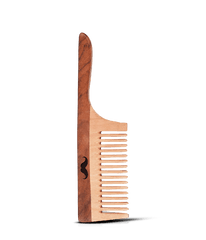
Use a wide tooth comb when appropriate.
-
Do not tug aggressively at tangled hair.
-
Be gentle when drying wet hair.
-
Avoid repeatedly scratching or pulling your hair.
Small changes in your daily routine can help protect fragile hair strands.
Best Foods to Reduce Hair Fall for Indian Men
A balanced diet is one of the most practical ways to support healthy hair growth.
Rather than spending money on multiple hair growth supplements, start by improving your everyday food choices.
Here is a simple Indian diet food guide.
| Nutrient | Indian food sources |
|---|---|
| Protein | Eggs, dal, paneer, milk, chickpeas |
| Iron | Spinach, lentils, beans, meat |
| Zinc | Pumpkin seeds, nuts, legumes |
| Vitamin C | Amla, guava, oranges, lemon |
| Vitamin E | Almonds, sunflower seeds |
| Omega 3 fats | Flaxseeds, walnuts, fatty fish |
| Vitamin B12 | Dairy, eggs, fish, meat and fortified foods |
A Simple Indian Hair Friendly Daily Diet
Morning: A glass of water, followed by a balanced breakfast with eggs or paneer and whole grains.
Mid morning: A fruit such as amla, guava or orange.
Lunch: Roti or rice, dal, green vegetables, curd and a protein source.
Evening: A small serving of almonds, walnuts or roasted chickpeas.
Dinner: A balanced meal containing vegetables, whole grains and protein from dal, paneer, eggs, fish or chicken.
This is a general food guide, not a prescribed diet. Your nutritional requirements depend on your age, activity level and health.
Common Hair Care Mistakes Indian Men Should Avoid
Sometimes, preventing unnecessary hair damage is more important than trying multiple home remedies.
Here are some common mistakes to avoid:
-
Oiling excessively: Applying too much oil does not automatically make hair grow faster.
-
Using very hot water: Excessively hot water can make hair feel dry.
-
Skipping shampoo: An unnecessarily dirty or irritated scalp is not a good hair care strategy.
-
Using too many products: Combining multiple treatments without understanding your scalp needs can cause irritation or build up.
-
Ignoring dandruff: Persistent dandruff, itching and inflammation may require appropriate treatment.
-
Taking supplements without testing: Excessive intake of certain vitamins and minerals can actually contribute to hair loss.
-
Expecting overnight results: Hair growth and changes in shedding take time.
-
Ignoring a receding hairline: Gradual male pattern hair loss may require medical treatment rather than home remedies.
How to Build a Simple Daily Hair Care Routine for Men
You do not need to spend hours maintaining your hair. Consistency is more important than the number of products you use.
Here is a simple routine to follow.
Morning Routine
-
Start your day with a balanced breakfast.
-
Keep your hair clean and properly groomed.
-
Use a suitable styling product in moderation.
-
Avoid excessive pulling or tight styling.
Evening Routine
-
Wash your hair if required based on sweat, oil and product build up.
-
Remove styling product residue when appropriate.
-
Avoid sleeping with heavily product coated hair.
-
Maintain a regular sleeping schedule.
Weekly Routine
-
Check your scalp for dandruff, irritation or unusual changes.
-
Include a balanced variety of protein rich foods.
-
Avoid excessive chemical or heat treatments.
-
Use coconut oil occasionally if it suits your hair.
When Should Men Consult a Dermatologist for Hair Fall?
Home remedies can support general hair care, but they cannot treat every type of hair loss.
You should consult a dermatologist if you notice:
-
Sudden or excessive hair shedding.
-
A rapidly receding hairline.
-
Visible thinning around the crown.
-
Round or patchy bald spots.
-
Scalp redness, pain, itching or scaling.
-
Hair loss that continues for several months.
-
Hair fall accompanied by other health symptoms.
A dermatologist may examine your scalp and recommend blood tests if nutritional deficiencies, thyroid problems or other medical conditions are suspected.
Male pattern baldness may require evidence based treatments such as minoxidil or prescription medication, depending on your condition. These should be discussed with a qualified doctor.
Remember: Early diagnosis can make a difference. Do not depend entirely on homemade oils or online hair growth remedies if your hair loss is progressing.
Final Thoughts
Hair fall can be frustrating, but your first step should always be understanding why it is happening.
A healthy diet, gentle grooming habits, proper scalp hygiene, stress management and adequate sleep can all contribute to better hair health.
Traditional ingredients such as coconut oil and amla can have a place in your routine, but remember that natural does not automatically mean medically proven.
If you are experiencing persistent hair thinning, a receding hairline or bald patches, consult a dermatologist rather than relying exclusively on home remedies.
At Men Deserve, we believe that good grooming begins with understanding your hair, choosing suitable products and building a routine that works for you.
Because good hair days are not just about styling. They start with taking care of your hair.
FAQs About Hair Fall in Men
1. How can I stop hair fall naturally at home?
Start with a balanced diet, adequate protein intake, gentle scalp care, sufficient sleep and reduced heat styling. These habits can help reduce preventable breakage and support normal hair health. However, genetic hair loss may require medical treatment.
2. Which is the best home remedy for hair fall in men?
There is no single home remedy proven to stop all types of hair loss. Coconut oil may help reduce hair protein loss and breakage, while a nutritious diet supports normal hair growth. The best approach depends on the underlying cause.
3. Does coconut oil prevent hair fall?
Coconut oil may help protect hair strands from protein loss and reduce breakage. However, it has not been proven to stop hair loss caused by genetics or hormonal sensitivity.
4. Does onion juice help with hair growth?
A small study investigated onion juice in people with patchy alopecia areata. However, this does not establish that onion juice treats ordinary hair fall or male pattern baldness. It may also irritate the scalp.
5. What should Indian men eat to reduce hair fall?
Include protein rich foods such as eggs, paneer, dal, chickpeas and dairy. Also eat iron rich foods, leafy vegetables, nuts, seeds and vitamin C rich fruits as part of a balanced diet.
6. Can stress cause hair fall in men?
Yes. Significant emotional or physical stress can trigger temporary hair shedding. The shedding may become noticeable several months after the stressful event.
7. Is daily shampooing bad for hair?
Not necessarily. Washing frequency should depend on your scalp type, activity level and product usage. Men with oily scalps may need more frequent washing, while those with dry hair may require less frequent washing.
8. How many hairs falling per day is normal?
Losing approximately 50–100 hairs daily is generally considered normal. However, noticeable thinning, bald patches or a progressively receding hairline should not be ignored.
9. Can hair grow back after hair fall?
It depends on the cause. Temporary shedding may improve once the underlying trigger is addressed. Hair loss caused by male pattern baldness may require medical treatment to slow progression and encourage regrowth.
10. At what age does hair fall start in men?
Hair loss can begin in the late teens or early twenties, particularly in men with a genetic predisposition. However, the age and pattern vary from person to person.