Dandruff: Grooming Mistakes Every Man Makes
Dandruff is one of the most common yet misunderstood scalp problems men face. From white flakes on black shirts to constant itching and scalp irritation, dandruff can quietly damage your confidence and grooming game.
What most men don’t realize is that dandruff is often not caused by poor hygiene; but by wrong grooming habits. Overwashing, underwashing, using the wrong products, or ignoring scalp care altogether can make the condition worse.
Let’s break down five major grooming mistakes men make that aggravate dandruff, and how to correct them smartly.
1. Overwashing Your Hair Too Frequently

Many men believe washing hair daily will eliminate dandruff. In reality, excessive washing can strip the scalp of its natural oils, leading to dryness, irritation, and more flakes.
When the scalp becomes overly dry, it tries to compensate by producing excess oil; creating the perfect environment for dandruff causing yeast to thrive.
- Cause: Strips scalp’s natural oils
- Effect: Dryness triggers excessive flaking
- Solution: Wash hair 2–3 times weekly
- Product to Use: Gentle anti dandruff shampoo
- Precaution: Avoid daily harsh shampooing
Also Read: Hair Care Solution for Men
2. Using the Wrong Shampoo

Not all shampoos are designed for your scalp condition. Many men unknowingly use strong, fragranced, or sulfate heavy shampoos, which irritate the scalp and worsen dandruff.
Using a random shampoo meant only for hair texture; not scalp health, can inflame dandruff instead of treating it.
- Cause: Harsh chemicals irritate scalp
- Effect: Increased itching and flaking
- Solution: Choose medicated dandruff shampoo
- Product to Use: Ketoconazole or zinc shampoo
- Precaution: Avoid sulfate heavy formulas
3. Ignoring Scalp Moisturization

Men often focus on hair styling but forget the scalp needs care too. A dry, neglected scalp becomes tight, itchy, and flaky; especially in winters or air conditioned environments.
Skipping scalp hydration allows dandruff to persist even after washing.
- Cause: Dry, dehydrated scalp skin
- Effect: Persistent flakes and irritation
- Solution: Moisturize scalp weekly
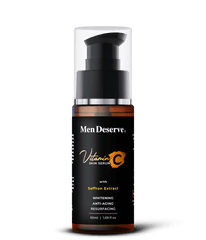
- Product to Use: Lightweight scalp serum
- Precaution: Avoid heavy greasy oils
4. Scratching or Aggressively Brushing the Scalp

Scratching flakes away may feel satisfying, but it actually damages the scalp barrier, causing inflammation and micro injuries. Similarly, rough brushing spreads flakes and worsens irritation.
This habit can also lead to redness, infection, and even hair fall over time.
- Cause: Mechanical scalp damage
- Effect: Inflammation and increased dandruff
- Solution: Handle scalp gently
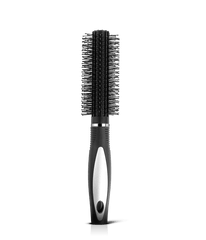
- Product to Use: Soft bristle grooming brush
- Precaution: Never scratch with nails
5. Skipping Consistency in Treatment
Many men stop using anti dandruff products once flakes reduce. Unfortunately, dandruff is often chronic and recurring, and stopping treatment too soon allows it to return stronger.
Consistency is key; not just during flare ups, but also for maintenance.
- Cause: Incomplete dandruff treatment cycle
- Effect: Frequent dandruff recurrence
- Solution: Maintain regular scalp care
- Product to Use: Weekly maintenance shampoo
- Precaution: Don’t stop treatment abruptly
6. Using Hot Water for Hair Wash

Hot water may feel relaxing, but it strips essential moisture from the scalp, leaving it dry, irritated, and prone to flaking. Men who shower with very hot water often experience worsening dandruff, especially in colder seasons.
- Cause: Hot water dehydrates scalp
- Effect: Dryness and increased flakes
- Solution: Use lukewarm water only
- Product to Use: Moisturizing anti dandruff shampoo
- Precaution: Avoid steaming hot showers
7. Excessive Use of Styling Products
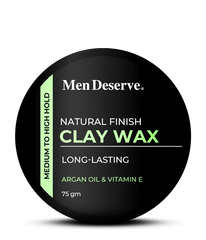
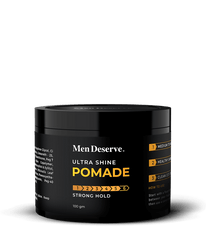
Hair gels, waxes, pomades, and sprays may elevate your style, but excessive use can clog scalp pores and trap dirt and oil. Product buildup creates a breeding ground for dandruff causing microbes.
Men who style daily without proper cleansing often see stubborn dandruff that won’t go away.
- Cause: Product buildup on scalp
- Effect: Clogged pores and flakes
- Solution: Limit styling product usage
- Product to Use: Water based styling products
- Precaution: Wash out products daily
8. Not Rinsing Shampoo Properly

Rushing through hair washes often leaves shampoo residue behind. These residues irritate the scalp, cause itchiness, and mimic dandruff flakes, making the condition appear worse than it is.
Proper rinsing is as important as choosing the right shampoo.
9. Poor Diet and Low Hydration
What you eat reflects on your scalp health. Diets low in zinc, omega 3s, and vitamins can weaken the scalp barrier, making it more vulnerable to dandruff and irritation.
Dehydration also leads to dry, flaky scalp skin.
- Cause: Nutrient deficiency and dehydration
- Effect: Weak scalp barrier
- Solution: Improve diet and hydration
- Product to Use: Omega 3 and zinc supplements
- Precaution: Reduce junk food intake
10. Ignoring Early Dandruff Signs
Many men ignore mild flakes or itching until dandruff becomes severe. Early signs are often reversible, but neglect allows the condition to progress into chronic scalp issues.
Timely action prevents embarrassment and long term scalp damage.
- Cause: Delayed dandruff treatment
- Effect: Chronic recurring dandruff
- Solution: Act at first signs
- Product to Use: Early stage dandruff shampoo
- Precaution: Don’t wait for severity
11. Towel Drying Hair Too Roughly

Rubbing wet hair aggressively with a towel damages the scalp’s protective layer. A wet scalp is more sensitive, and rough handling can cause micro irritation, dryness, and flaking.
This habit also increases hair breakage and scalp inflammation.
- Cause: Friction damages scalp barrier
- Effect: Irritation and increased flaking
- Solution: Pat dry hair gently
- Product to Use: Soft microfiber towel
- Precaution: Avoid aggressive towel rubbing
12. Wearing Helmets and Caps Constantly

Men who wear helmets or caps for long hours trap sweat, heat, and oil on the scalp. This warm, moist environment encourages fungal growth, a major dandruff trigger.
Without proper scalp hygiene, dandruff becomes stubborn and recurring.
- Cause: Sweat and heat buildup
- Effect: Fungal dandruff flare ups
- Solution: Keep scalp clean and dry
- Product to Use: Anti fungal scalp cleanser
- Precaution: Air scalp after helmet use
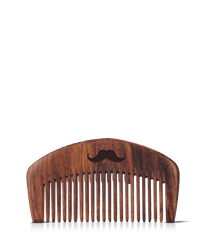
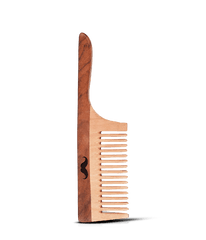
13. Using Dirty Combs and Brushes

Combs and brushes collect oil, dead skin, and product residue. Using them repeatedly without cleaning reintroduces dandruff causing microbes back onto your scalp.
This often causes dandruff to return even after treatment.
- Cause: Bacteria on grooming tools
- Effect: Reinfected scalp dandruff
- Solution: Clean tools weekly
- Product to Use: Mild soap or disinfectant
- Precaution: Don’t share grooming tools
14. Skipping Scalp Exfoliation
Just like skin, the scalp accumulates dead cells. Without exfoliation, these layers build up and trap oil and dandruff flakes, making treatment less effective.
Men often overlook exfoliation in grooming routines.
- Cause: Dead skin buildup
- Effect: Persistent stubborn flakes
- Solution: Exfoliate scalp biweekly
- Product to Use: Gentle scalp scrub
- Precaution: Avoid over exfoliation
15. Stress and Poor Sleep Habits

High stress and irregular sleep disrupt hormone balance and weaken immunity. This directly impacts scalp health, increasing oil imbalance and triggering dandruff flare ups.
Mental health and scalp health are closely linked.
- Cause: Hormonal imbalance from stress
- Effect: Increased dandruff flare ups
- Solution: Manage stress and sleep
- Product to Use: Calming scalp treatment
- Precaution: Avoid chronic sleep deprivation
16. Applying Oil on Dandruff Affected Scalp

Many men oil their hair thinking it will “heal” dandruff. In reality, heavy oiling feeds dandruff causing fungus, increasing flakes and itching; especially in oily scalps.
Oil is nourishment for hair, not always for dandruff.
- Cause: Oil feeds scalp fungus
- Effect: Greasy flakes and itching
- Solution: Limit oil during flare ups
- Product to Use: Light non comedogenic oil
- Precaution: Avoid overnight heavy oiling
17. Using Beard Products Near Hairline
Beard oils, balms, and waxes often migrate to the hairline and scalp. These products are usually heavy and clog pores, worsening dandruff around the forehead and temples.
Men with beards often overlook this connection.
- Cause: Product migration to scalp
- Effect: Hairline dandruff patches
- Solution: Apply beard products carefully
- Product to Use: Lightweight non greasy beard oil
- Precaution: Clean hairline after application
18. Ignoring Seasonal Scalp Changes
Scalp needs change with weather. Dry winters and humid summers affect oil balance. Men who use the same routine year round often experience dandruff spikes.
Adjusting care seasonally is essential.
- Cause: Seasonal oil imbalance
- Effect: Sudden dandruff flare ups
- Solution: Modify routine seasonally
- Product to Use: Weather appropriate shampoo
- Precaution: Monitor scalp condition regularly
19. Not Changing Pillowcases Regularly
Dirty pillowcases absorb oil, sweat, and product residue. Sleeping on them nightly reintroduces bacteria and fungus onto your scalp, triggering recurring dandruff.
This mistake is surprisingly common.
- Cause: Bacteria on pillow fabric
- Effect: Recurring scalp dandruff
- Solution: Change pillowcases weekly
- Product to Use: Breathable cotton pillowcases
- Precaution: Avoid unwashed bedding
20. Self Treating Severe Dandruff Incorrectly
When dandruff becomes severe, men often rely on random home remedies or overuse strong products. This can damage the scalp barrier and worsen the condition.
Some dandruff types need medical attention.
- Cause: Incorrect self treatment methods
- Effect: Chronic scalp inflammation
- Solution: Consult dermatologist timely
- Product to Use: Prescription dandruff treatment
- Precaution: Don’t mix multiple treatments
Final Thoughts
Dandruff doesn’t disappear overnight and it definitely doesn’t disappear by accident. It fades when men stop repeating the same grooming mistakes and start treating their scalp with the same discipline they give their style, skin, and beard.
Small changes, practiced consistently, create long term results. Whether it’s choosing the right shampoo, handling your scalp gently, or knowing when to seek expert help, control always starts with awareness. Fix the habits, respect your scalp, and flakes won’t stand a chance.
FAQs: Men’s Dandruff Grooming Mistakes
1. How to remove men's dandruff?
Use an anti dandruff shampoo containing zinc pyrithione, ketoconazole, or selenium sulfide. Wash hair 2–3 times a week, gently massage the scalp, rinse thoroughly, and maintain scalp hydration. Avoid harsh shampoos and excessive oiling.
2. What is an example of bad grooming?
Skipping hair washes, using dirty combs, over scratching the scalp, or applying too much styling product without cleansing are common examples of bad grooming that can worsen dandruff.
3. What causes dandruff in men's hair?
Dandruff is caused by fungal overgrowth (Malassezia), dry scalp, excessive oil, product buildup, stress, poor diet, or improper hair care routines. Seasonal changes and genetics can also contribute.
4. Which oil kills dandruff?
Tea tree oil, neem oil, and coconut oil have antifungal properties that help reduce dandruff when applied carefully and diluted.
5. Is dandruff a fungal infection?
Yes. Dandruff is often linked to the fungus Malassezia, which feeds on scalp oils and triggers flaking, redness, and itching.