Male Frizzy Hair
Frizzy hair is one of the most common hair concerns for men, regardless of hair type. Hair that sticks out in all directions, feels rough, or looks unkempt is often referred to as frizzy hair. If you are searching for solutions to manage and prevent frizzy hair, you have come to the right place. This guide is designed to provide men with practical, long term solutions to control frizzy hair, improve hair health, and maintain a polished, confident look.
Understanding Frizzy Hair

Frizzy hair occurs when hair strands become dry, rough, or unmanageable, creating a poofy or unkempt appearance. Hair consists of three main layers: the medulla, the cortex, and the cuticle. The cuticle protects the hair shaft. When these scales lift or become damaged, moisture from the air penetrates the hair, causing it to swell and become frizzy.
Frizzy hair is more common in dry climates, humid weather, or in hair that is damaged due to heat styling, chemical treatments, or neglect. Understanding the causes of frizzy hair is crucial to effectively prevent and treat it.
Common Causes of Frizzy Hair in Men
1. Lack of Moisture and Dry Hair
Dry hair is the number one cause of frizz. When hair is dehydrated, it absorbs moisture from the surrounding environment, which causes swelling and uneven hair texture. Dry hair often feels rough to the touch and can be brittle, increasing the likelihood of split ends and breakage.
2. Frequent Shampooing or Use of Harsh Products
Many shampoos, especially those containing sulfates, strip natural oils from the scalp and hair. These oils are essential for keeping hair soft and smooth. Shampooing too often or using harsh products can leave hair dry and more prone to frizz.
3. Heat and Styling Damage
Excessive use of hair dryers, straighteners, curling irons, or even hot water washes can damage the hair cuticle. Heat opens up the cuticle, making hair more susceptible to moisture from the environment, which leads to frizz.
4. Environmental Factors
Humidity is a major frizz trigger. When hair absorbs moisture from humid air, it expands, creating the classic “frizzy” look. Sun exposure, wind, and pollution also contribute to frizz and overall hair damage.
5. Hair Damage and Split Ends
Split ends and rough, broken hair strands cause hair to look fuzzy. Damaged hair lacks the smooth surface needed to reflect light, making it appear dry and frizzy. Regular trimming and proper care are essential to prevent frizz caused by damage.
6. Genetics and Hair Type
Some men naturally have hair that is curly, wavy, or coarse. While curls and waves look great, they are more prone to frizz because of the natural structure of the hair shaft. Understanding your hair type helps in choosing the right products and routines.
Daily Routine to Fix and Prevent Frizzy Hair
Fixing frizzy hair requires a consistent hair care routine. Here are the steps that men should follow to keep their hair smooth, hydrated, and manageable:
Step 1: Choose the Right Shampoo

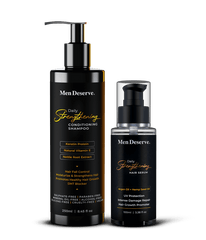
The first step in managing frizz is choosing a moisturizing, sulfate free shampoo. Shampoos that are gentle and designed for dry or frizzy hair help retain the hair’s natural oils. Men should avoid daily shampooing, which strips hair of essential moisture. Washing hair 2-3 times per week is ideal for most hair types.
Step 2: Always Condition Your Hair

Conditioning is essential to prevent and reduce frizz. A conditioner smooths the hair cuticle, making strands more manageable and less prone to flyaways. For maximum effectiveness, apply conditioner after shampooing and leave it in for 2-5 minutes before rinsing. Deep conditioning treatments once a week can provide extra hydration.
Step 3: Pat Hair Dry, Don’t Rub

Rough drying with a towel can lift the hair cuticle and create frizz. Men should gently pat hair dry with a microfiber towel. This reduces friction and prevents hair from breaking or becoming fuzzy.
Step 4: Use Lukewarm or Cold Water

Hot water opens up the hair cuticle, causing hair to lose natural oils and frizz. Rinsing hair with lukewarm or cool water helps seal the cuticle, making hair smoother and shinier.
Step 5: Apply Leave In Conditioner or Hair Serum

Leave-in conditioners and hair serums are excellent for controlling frizz. Apply them to damp hair after washing to lock in moisture, create a protective barrier against humidity, and make styling easier. For men with thick or coarse hair, using a lightweight serum prevents hair from looking greasy or weighed down.
Step 6: Use Hair Oil for Smoothness

Hair oils like argan, jojoba, or coconut oil can help smooth hair strands and add shine. Apply a small amount to the ends and mid lengths of hair. Avoid the scalp unless your hair is extremely dry, as this can make hair look oily.
Step 7: Limit Heat Styling

Excessive use of hair dryers, straighteners, or curling tools can damage hair and worsen frizz. Men should either air dry hair whenever possible or use heat tools on low settings. Using a diffuser attachment while blow drying can also reduce frizz for curly or wavy hair.
Step 8: Get Regular Haircuts

Regular trims every 6-8 weeks remove split ends and prevent hair from looking fuzzy or unkempt. Even a small trim can make hair look healthier and more manageable.
Step 9: Protect Hair in Humid or Harsh Weather

Humidity and harsh environmental conditions can make frizz worse. Men should consider using anti humidity sprays or light hair creams to shield hair from moisture. Wearing hats or protective hairstyles can also help when outdoors in wet or humid climates.
Advanced Home Remedies for Frizzy Hair
For men looking for deeper care, certain home treatments can nourish and repair frizz prone hair:
- Avocado and Coconut Oil Mask: Avocado is rich in vitamins and fats that nourish hair, while coconut oil penetrates the hair shaft to restore moisture. Apply as a mask once a week for deep conditioning.
- Banana and Honey Mask: Banana contains natural oils and potassium, which smooth hair, while honey acts as a humectant, locking in moisture.
- Aloe Vera Gel Treatment: Aloe vera has soothing and moisturizing properties. Apply pure aloe gel to the scalp and hair to reduce frizz and improve shine.
Styling Tips to Keep Hair Free from Frizzy Hair
Even with proper care, styling plays a crucial role in managing frizz:
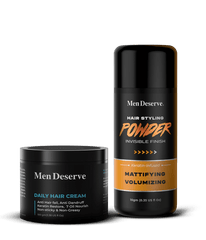
- Use Styling Products Sparingly: Too much gel, wax, or mousse can create buildup and make frizz worse.
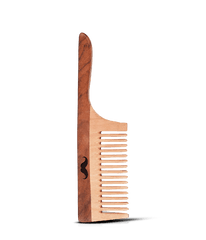
- Avoid Brushing Dry Hair Aggressively: Brushing rough hair can create breakage and flyaways. Use a wide tooth comb on damp hair.
- Switch to Satin or Silk Pillowcases: Cotton pillowcases absorb moisture and create friction. Satin or silk helps maintain smooth hair overnight.
- Work With Your Natural Texture: For curly or wavy hair, using curl defining creams can enhance the natural texture without creating frizz.
Common Mistakes Men Make with Frizzy Hair
Even the best products won’t work if you make these mistakes:
- Washing hair every day, leading to dry, frizzy hair
- Using harsh, sulfate based shampoos that strip oils and worsen frizzy hair
- Skipping conditioner, leaving hair unprotected against frizzy hair
- Styling hair while soaking wet, which increases frizz and frizzy hair
- Sleeping on rough cotton pillowcases that create friction and more frizzy hair
- Overusing heat styling tools that damage hair and cause frizzy hair
- Applying hair products incorrectly or in excess, making frizzy hair worse
Avoiding these errors is as important as following a proper hair care routine to prevent and treat frizzy hair.
Final Thoughts
Fixing frizzy hair for men is a combination of consistent care, proper products, protective styling, and understanding your hair type. By hydrating your hair, avoiding harsh treatments, using serums or leave in conditioners, and trimming regularly, frizz can be significantly reduced. Over time, healthy hair becomes smoother, shinier, and more manageable, giving you a polished, confident appearance.
Frizz is not something that can be eliminated overnight. It requires commitment to a proper routine and using the right techniques to maintain hair health. Once men adopt these practices, they will notice a significant improvement in hair texture, smoothness, and overall appearance.
FAQs: How to Fix Frizzy Hair?
1. How to Fix Male Frizzy Hair?
Fixing male frizzy hair requires a combination of proper hair care, hydration, and styling habits. Start by using sulfate-free shampoos and moisturizing conditioners to maintain natural oils. Limit washing hair to 2–3 times a week and always apply a leave-in conditioner or serum to damp hair. Avoid rough towel drying; instead, gently pat hair dry with a microfiber towel. Use hair oils like argan, coconut, or jojoba oil to smooth strands and prevent frizz. Regular trims remove split ends, and minimizing heat styling protects hair from damage that can worsen frizz. Protective hairstyles or anti-humidity products can also help maintain smooth hair.
2. Can Frizzy Hair Be Fixed?
Yes, frizzy hair can be managed and significantly reduced, but it cannot always be permanently “cured,” especially if it is due to genetics or naturally curly hair. Proper hair care, regular conditioning, hydration, avoiding harsh products, and protecting hair from heat and humidity can drastically improve texture and appearance. Over time, healthy hair practices reduce frizz and make hair more manageable.
3. Does Coconut Oil Reduce Frizz?
Yes, coconut oil is effective at reducing frizz because it penetrates the hair shaft and provides deep hydration. It helps smooth the cuticle, preventing moisture from the air from causing hair to swell and become frizzy. Apply a small amount to damp or dry hair, focusing on the mid-lengths and ends, to control frizz and add shine.
4. Is Frizzy Hair Damaged?
Frizzy hair is often a sign of damage or dryness, but not always. Hair becomes frizzy when the cuticle is raised or broken, which can happen due to heat styling, chemical treatments, environmental stress, or lack of moisture. While natural curls can also appear frizzy without damage, hair that is dry, brittle, or has split ends usually requires repair and proper care.
5. What Deficiency Causes Frizzy Hair?
Frizzy hair can sometimes be linked to nutritional deficiencies, especially:
- Vitamin D – important for healthy hair growth and strength.
- Vitamin E – protects hair from oxidative stress and damage.
- Biotin (Vitamin B7) – supports hair health and texture.
-
Omega-3 fatty acids – maintain scalp hydration and prevent dryness.
A diet lacking these nutrients may contribute to dry, brittle, or frizzy hair.
6. What Causes Frizzy Hair?
Frizzy hair is caused by moisture imbalance and hair damage. Common causes include:
- Dry hair – lacks natural oils to keep hair smooth.
- Heat and styling damage – excessive blow-drying, straightening, or hot water washes.
- Harsh hair products – shampoos with sulfates strip oils.
- Humidity and environmental factors – moisture from the air makes hair swell.
- Split ends or damaged hair cuticles – rough strands lead to frizz.
- Genetics and hair type – curly or wavy hair is naturally more prone to frizz.
By addressing these causes with proper care, hydration, and protection, men can significantly reduce frizz and maintain smoother hair.